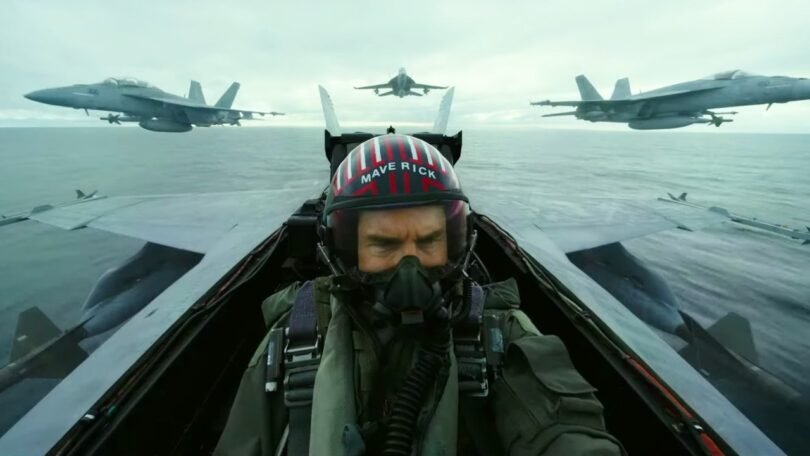

Speed alone does not create excitement. It only creates movement. What makes speed feel sharp, memorable, and worth following is precision. That is one reason Top Gun: Maverick works so well as a reference point for digital UX. The film moves fast, but it never feels visually lost. Each moment has direction. Each frame knows where attention should go. The same rule matters on a fast-play product. A user may ready to live casino app india, but the decision to stay depends on something deeper than raw pace. It depends on whether the screen feels clear under pressure, whether the key action appears at the right moment, and whether the interface turns speed into confidence instead of noise.
This matters because fast-play products do not get long, patient sessions by default. They operate inside brief windows of attention. If the page feels confusing in the first seconds, the pace works against the product. If the page feels controlled, the same pace becomes a strength.
Precision Starts Before the Action Really Begins
A strong high-speed experience does not wait for the main action to begin before it earns trust. It starts doing that work from the first screen. Before the user taps anything, the page already signals whether the experience feels clean enough to follow.
That first moment matters because users scan before they read. The eye looks for one visual center, one obvious path, and one sign that the interface is under control. If the screen feels crowded, trust drops immediately. A fast product with a weak opening feels rushed. A fast product with a clear opening feels deliberate.
This is where the analogy to Top Gun: Maverick becomes useful. High-intensity scenes work because the frame stays readable. Attention is not left to guesswork. The viewer always has a strong visual anchor. Fast-play pages need the same discipline. They should not make every control, panel, and status cue speak at once. They should decide what deserves attention first and let everything else wait its turn.
Clean Direction Makes Speed Feel More Natural
A fast interface can still feel clumsy if the next step is not obvious enough. Users do not respond well to pages that move quickly but think poorly. They want momentum, but they also want direction. That is what makes speed feel natural instead of tiring.
Good direction comes from structure. The user should not need to pause and decode the page in order to move forward. The route should be visible. The main interaction should feel close. Supporting details should remain helpful without taking over the screen. When that balance works, the session begins to feel smooth.
This is one of the clearest lessons strong action cinema teaches UX. Excitement is not built by making everything louder. It is built by leading attention through the right sequence. On a fast-play page, too many equal signals break momentum. The user feels more pressure, but less confidence. A page that keeps the next step clear creates a very different effect. It makes the pace feel like an advantage.
Strong Timing Makes Fast Moments Easier to Follow
Speed only becomes readable when timing is handled well. That is true in film. It is just as true in digital products. A screen needs to reveal information in the right order. When key elements appear too early, the page feels noisy. When they appear too late, the user feels behind. Neither result supports trust.
This is why sequence matters so much on fast-play products. The main action should arrive first. Supporting information should come after. Secondary cues should remain secondary. That order helps the user process motion without stress. It also makes the page feel sharper because each moment has a clear role.
Weak timing creates the opposite feeling. The page may be visually impressive, but it starts asking for too much attention all at once. Users feel that immediately. The experience stops feeling exciting and starts feeling slightly heavy. Strong timing prevents that by controlling the flow of attention. It gives the pace shape.
High-Speed Products Still Need Stable Visual Control
No amount of speed can save an unstable interface. A page can load instantly and still feel weak if the layout shifts too much, if the visual weight is inconsistent, or if the user loses orientation when the action rises. Stability is what makes speed trustworthy.
This is especially important on mobile. Small screens punish weak structure. Tight spacing, noisy hierarchy, and poorly grouped elements all become more noticeable when there is less room for the eye to settle. A stable screen gives the user confidence because it keeps the product readable even when the pace increases.
A better fast-play interface usually protects that stability in a few clear ways:
- The main action stays visually dominant.
- Supporting elements stay useful without becoming loud.
- Spacing gives each section room to breathe.
- The layout feels familiar on repeat visits.
These choices do not slow the product down. They make speed easier to trust. A controlled screen feels more precise than a louder one because it never loses its internal order.
The Best Fast-Play Interfaces Feel Directed, Not Chaotic
The strongest fast-play products do not merely move fast. They feel directed. That means every part of the page seems intentional. The opening feels composed. The next action feels obvious. The middle of the session stays readable. The pressure rises without the interface collapsing into clutter.
That is the deeper lesson behind the comparison to Top Gun: Maverick. Precision is not the opposite of intensity. It is what makes intensity work. When the screen is guided by clear hierarchy, good timing, and stable visual control, the user experiences speed as confidence. When those pieces are missing, the same speed feels messy.
A directed interface also improves repeat use. Users return to products that feel easy to re-enter and easy to understand under pressure. They remember whether a page felt sharp or stressful. That memory matters more than many teams expect, especially on short-session products.
Fast-play UX works best when precision comes first. Speed can attract attention for a moment. Precision is what makes that attention stay.