
Introduction
In 2025, structured learning pathways are the fastest way to gain expertise in any field. Whether you’re learning AI, coding, digital marketing, or data science, a well-planned roadmap helps you focus on the right skills, tools, and projects at the right time. Many beginners struggle with what to learn first, which courses to take, and how to practice effectively. This guide provides actionable strategies to follow structured learning pathways from beginner to expert. We’ll cover how to choose the right roadmap, recommended courses, practical exercises, and real-world projects to reinforce your knowledge. By following these steps, learners can avoid wasted time, gain confidence in their skills, and achieve mastery efficiently.
Why Structured Learning Pathways Are Essential
Clear Roadmap to Mastery
Following a structured path prevents confusion and helps you progress logically from beginner to advanced levels.
Saves Time and Effort
Instead of random tutorials, you focus on curated courses and practical projects that build real skills.
Mini-Example: A beginner who followed a structured AI roadmap learned Python, machine learning, and built three projects in six months.
How to Choose a Learning Pathway
Step 1 – Define Your Goal
Decide what skill or career you want to pursue: AI, web development, digital marketing, data science, etc.
Step 2 – Identify Core Skills
List essential skills needed to achieve your goal. Example for AI: Python, Data Analysis, Machine Learning.
Step 3 – Select Curated Courses
Choose beginner-friendly courses, online tutorials, or certifications that cover your core skills.
Step 4 – Add Real-World Projects
Practice by building projects relevant to your field. Projects reinforce learning and strengthen portfolios.
Mini-Example: A data science learner builds a predictive model using Kaggle datasets after completing Python and ML courses.
Step 5 – Track Progress
Use checklists or learning apps to track completed courses, exercises, and projects.
Benefits of Following Structured Learning Paths
- Faster skill acquisition and better retention
- Clear guidance from beginner to expert level
- Portfolio-ready projects to showcase abilities
- Higher confidence when applying for jobs or freelancing
Common Mistakes Learners Make
- Skipping foundational skills and jumping to advanced topics
- Following random tutorials without structure
- Ignoring practice or real-world projects
- Overloading on courses without completing them
Advice: Focus on completion and hands-on practice rather than consuming too many tutorials.
FAQ
- What is a structured learning pathway?
A guided roadmap that teaches skills step-by-step from beginner to expert. - Can beginners follow structured pathways without prior experience?
Yes, pathways are designed to start from foundational knowledge. - How do I practice skills while learning?
Build real-world projects, participate in challenges, and apply concepts in small tasks. - Do structured pathways guarantee expertise?
They provide the roadmap, but consistent practice and projects are essential for mastery. - Which platforms offer structured learning pathways?
Coursera, Udemy, edX, Skillshare, and specialized bootcamps provide curated roadmaps.
Internal & External Links
Internal:
External (High Authority):
Image / Infographic Ideas
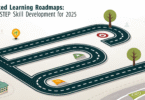
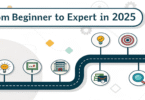
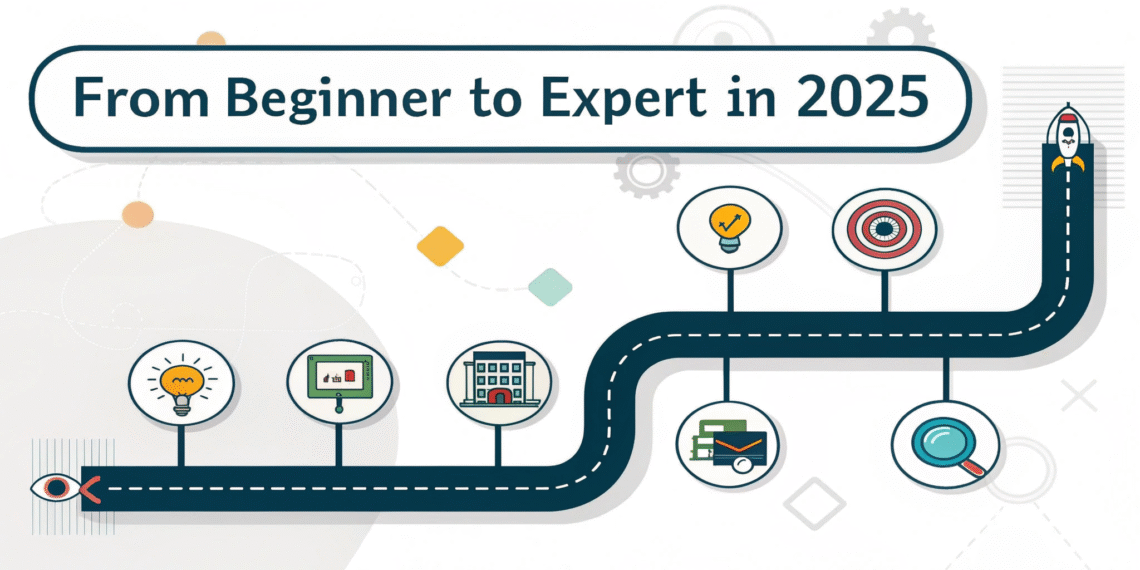
- Learning Path Roadmap: Beginner → Intermediate → Expert
- Project-Based Progression: Skill learned → Project → Portfolio
- Skill Tracker Visual: Courses completed, projects done, mastery level