
Introduction
Learning new skills efficiently requires structure, consistency, and the right resources. In 2025, curated learning roadmaps provide beginners and advanced learners a step-by-step approach to mastering skills across various domains like AI, web development, data science, and digital marketing. These roadmaps are carefully designed sequences of courses, exercises, and projects, ensuring learners build foundational knowledge before progressing to intermediate and advanced levels. By following a curated roadmap, learners can avoid confusion, focus on high-impact skills, and gain hands-on experience through real-world projects. This guide will explore the benefits of curated learning roadmaps, how to follow them effectively, practical examples, and common mistakes to avoid. Whether your goal is freelancing, career advancement, or personal growth, curated roadmaps are your blueprint to success.
Why Curated Learning Roadmaps Matter
Provides Structured Learning
Roadmaps help learners progress logically, avoiding random tutorials and wasted effort.
Ensures Skill Mastery
By following curated steps, learners gain strong fundamentals before advancing to complex topics.
Mini-Example: A beginner who followed a curated data science roadmap learned Python → Data Analysis → Machine Learning → Portfolio Projects in six months.
How to Follow Curated Learning Roadmaps
Step 1 – Define Your Goal
Identify the skill or field you want to master, such as AI, web development, or digital marketing.
Step 2 – Follow the Recommended Sequence
Stick to the curated order of courses, exercises, and projects for maximum learning efficiency.
Step 3 – Apply Knowledge Through Projects
Hands-on practice reinforces learning and builds a portfolio that demonstrates expertise.
Mini-Example: A learner following a digital marketing roadmap created a social media campaign project after completing beginner and intermediate modules.
Step 4 – Track Your Progress
Use checklists, apps, or spreadsheets to monitor completed courses, milestones, and projects.
Step 5 – Reflect and Iterate
Review completed projects, identify areas of improvement, and revisit concepts as needed.
Benefits of Curated Learning Roadmaps
- Efficient skill acquisition from beginner to expert
- Logical progression without skipping fundamentals
- Hands-on experience and portfolio-ready projects
- Confidence and motivation through measurable milestones
- Easier transition into freelancing or professional roles
Common Mistakes to Avoid
- Ignoring the recommended course sequence
- Skipping foundational skills
- Overloading on multiple roadmaps at once
- Failing to practice concepts through projects
Advice: Focus on one roadmap at a time, complete exercises, and apply skills practically.
FAQ
- What are curated learning roadmaps?
Structured sequences of courses, exercises, and projects designed to guide learners from beginner to expert. - Can beginners follow these roadmaps?
Yes, roadmaps start with foundational knowledge and gradually progress to advanced topics. - How do projects enhance learning?
Projects reinforce concepts, provide real-world experience, and build a portfolio. - Do I need multiple roadmaps for one skill?
No, choose a single high-quality roadmap and complete it for maximum efficiency. - Can I apply learned skills to freelancing or jobs?
Absolutely, curated roadmaps provide portfolio-ready projects and practical skills for professional use. - How do I track progress effectively?
Use checklists, learning apps, or spreadsheets to monitor completed modules and projects.
Internal & External Links
Internal:
- Structured Learning Pathways
- Step-by-Step Learning Guide
- Beginner to Expert Roadmap
External (High Authority):
Image / Infographic Ideas
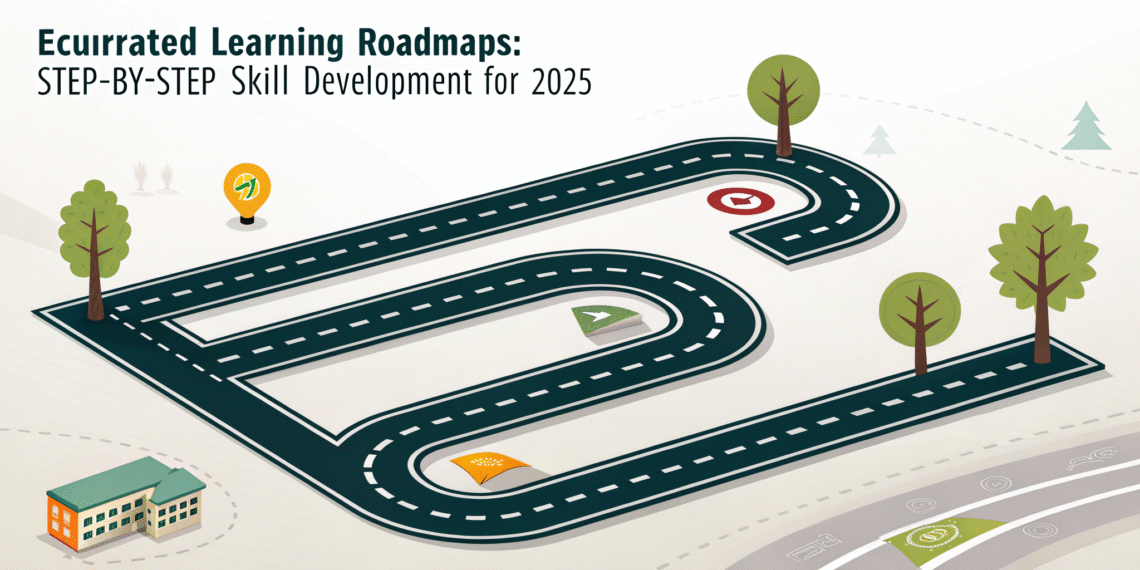
- Curated Roadmap Visual: Beginner → Intermediate → Advanced → Portfolio
- Skill Progress Tracker: Courses completed → Exercises done → Projects built → Mastery
- Step-by-Step Visual: Learning → Applying → Reviewing → Iterating