
Introduction
A step-by-step learning guide helps learners acquire skills efficiently by providing a clear roadmap from beginner to advanced levels. In 2025, with countless online resources available, beginners often feel overwhelmed and unsure where to start. This guide provides structured learning strategies, including curated courses, exercises, practical projects, and skill-tracking techniques. By following a step-by-step approach, learners can focus on mastering one concept at a time, applying knowledge in real-world scenarios, and building a strong portfolio. Whether your goal is AI, coding, digital marketing, or data science, this guide ensures you progress methodically, avoid common mistakes, and gain confidence. By the end, you’ll have a clear learning roadmap and actionable strategies to turn knowledge into expertise.
Why a Step-by-Step Learning Guide is Essential
Reduces Overwhelm and Confusion
Following structured steps prevents beginners from jumping randomly between tutorials and wasting time.
Improves Skill Retention
Progressive learning with practical exercises ensures concepts are understood and retained.
Mini-Example: A beginner following a Python learning guide completed 3 projects in 3 months, reinforcing understanding while building a portfolio.
How to Follow a Step-by-Step Learning Guide
Step 1 – Define Your Learning Goal
Identify the skill or career path you want to pursue (e.g., AI, web development, or digital marketing).
Step 2 – Break Skills into Modules
Divide learning into beginner, intermediate, and advanced modules to ensure logical progression.
Step 3 – Choose Curated Courses
Select reputable courses, tutorials, or certifications for each module to ensure high-quality learning.
Step 4 – Apply Knowledge with Projects
Practice skills through real-world projects or exercises to reinforce learning and create portfolio-ready work.
Mini-Example: A data science learner analyzes Kaggle datasets after completing Python and ML modules.
Step 5 – Track Your Progress
Monitor completed modules, projects, and milestones using checklists or digital tools to stay motivated and organized.
Benefits of Following a Step-by-Step Guide
- Clear learning roadmap with logical progression
- Practical experience through projects
- Improved confidence and skill mastery
- Portfolio-ready work for freelancing or career opportunities
Common Mistakes to Avoid
- Skipping foundational skills and jumping to advanced topics
- Not practicing concepts through projects
- Overloading on multiple skills at once
- Ignoring progress tracking and milestones
Advice: Focus on mastering one module at a time and include hands-on practice.
FAQ
- What is a step-by-step learning guide?
A structured plan that guides learners through skills progressively from beginner to advanced. - Can beginners follow this guide without prior experience?
Yes, the guide starts with foundational knowledge for beginners. - How do I practice skills effectively?
Apply skills in projects, exercises, and real-world tasks to reinforce learning. - Do I need multiple courses for each skill?
Choose curated, high-quality courses to cover the skill comprehensively without overload. - How do I track my progress in a learning guide?
Use checklists, learning apps, or spreadsheets to monitor completed modules and projects. - Can this guide be applied to freelancing or career growth?
Yes, practical projects and structured learning improve employability and freelance opportunities.
Internal & External Links
Internal:
External (High Authority):
Image / Infographic Ideas
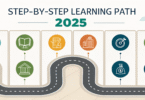
- Step-by-Step Guide Roadmap: Beginner → Intermediate → Advanced → Portfolio
- Project-Based Progress Tracker: Skills learned → Project → Portfolio
- Progress Timeline Visual: Modules completed, milestones achieved