
Focus Keyword: Roadmap for Skill Development
Slug / Permalink: /roadmap-for-skill-development
Category Name: Learning Paths
Meta Title:
Roadmap for Skill Development | Step-by-Step Learning Path 2025
Meta Description:
Follow a roadmap for skill development in 2025 to grow from beginner to expert. Curated courses, projects, and step-by-step guidance for effective learning included.
Introduction
Developing in-demand skills requires more than random learning—it needs a clear roadmap. In 2025, beginners can follow structured paths to master technical, creative, or business skills efficiently. A well-planned roadmap helps you identify which skills to learn first, the best resources to use, and practical projects to complete. This guide covers creating a personal roadmap for skill development, including skill selection, learning resources, exercises, and real-world applications. We’ll provide examples of successful learners, practical tips, and common mistakes to avoid. By following this roadmap, beginners can accelerate learning, gain confidence, and build portfolios that showcase their expertise. Whether your goal is freelancing, career growth, or personal development, a clear roadmap is your fastest route to skill mastery.
Why a Skill Development Roadmap is Important
Provides Direction and Focus
Without a roadmap, beginners may waste time on irrelevant tutorials or skills. A clear path ensures logical progression.
Builds Confidence and Motivation
Tracking progress and completing milestones encourages consistent learning and reduces overwhelm.
Mini-Example: A beginner following a web development roadmap learned HTML → CSS → JavaScript → React and built a portfolio in six months.
How to Create Your Roadmap
Step 1 – Identify Your Goal
Decide the skill or career you want to pursue, such as AI, data analysis, web development, or digital marketing.
Step 2 – Break Skills into Levels
Divide skills into beginner, intermediate, and advanced stages to learn systematically.
Step 3 – Select Learning Resources
Choose courses, tutorials, books, or bootcamps that match each skill level.
Step 4 – Incorporate Practical Projects
Apply knowledge through projects. Projects help reinforce learning and create portfolio-ready work.
Mini-Example: A beginner in AI builds a chatbot after completing Python and ML modules.
Step 5 – Track Progress
Use checklists, apps, or spreadsheets to monitor completed courses, projects, and skills mastered.
Benefits of Following a Roadmap
- Efficient learning without wasted time
- Practical skills for real-world applications
- Portfolio development for job or freelance opportunities
- Clear milestones to maintain motivation
Common Beginner Mistakes
- Jumping to advanced topics too early
- Learning without applying concepts through projects
- Overloading on multiple skills at once
- Ignoring feedback and reflection on learning progress
Advice: Focus on completing one skill before moving to the next and include hands-on practice.
FAQ (SEO Optimized & Schema-Ready)
- What is a roadmap for skill development?
A structured plan that guides you from beginner to expert in a specific skill. - Do I need prior experience to follow a roadmap?
No, roadmaps are designed to start from foundational knowledge. - How do I track my progress effectively?
Use checklists, apps, or spreadsheets to mark completed courses and projects. - Can I customize a roadmap for my personal goals?
Yes, adjust the roadmap to focus on skills most relevant to your career or interests. - How important are practical projects in skill development?
Essential—they reinforce learning and provide portfolio-ready work for clients or employers.
Internal & External Links
Internal:
External (High Authority):
Image / Infographic Ideas
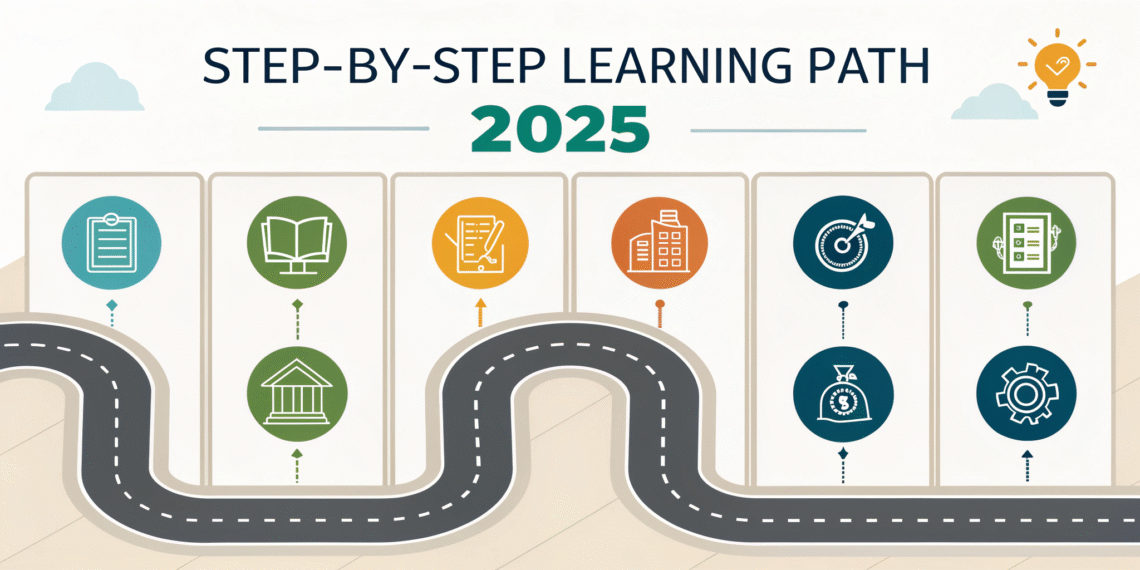
- Skill Development Roadmap: Beginner → Intermediate → Advanced → Portfolio
- Project-Based Skill Tracker: Skills learned → Project → Mastery
- Progress Tracker Visual: Courses completed, projects done, skills mastered